

The demand for livestock products, including red meat, will double in the next 20 years due to the increase in the human population and the dietary changes of the increasingly urban population. Ensuring that vulnerable households will reap the potential of the growing lucrative (red) meat market will require concerted actions of stakeholders, including efforts to enhance capabilities and access to inputs, finance opportunities, and the market.
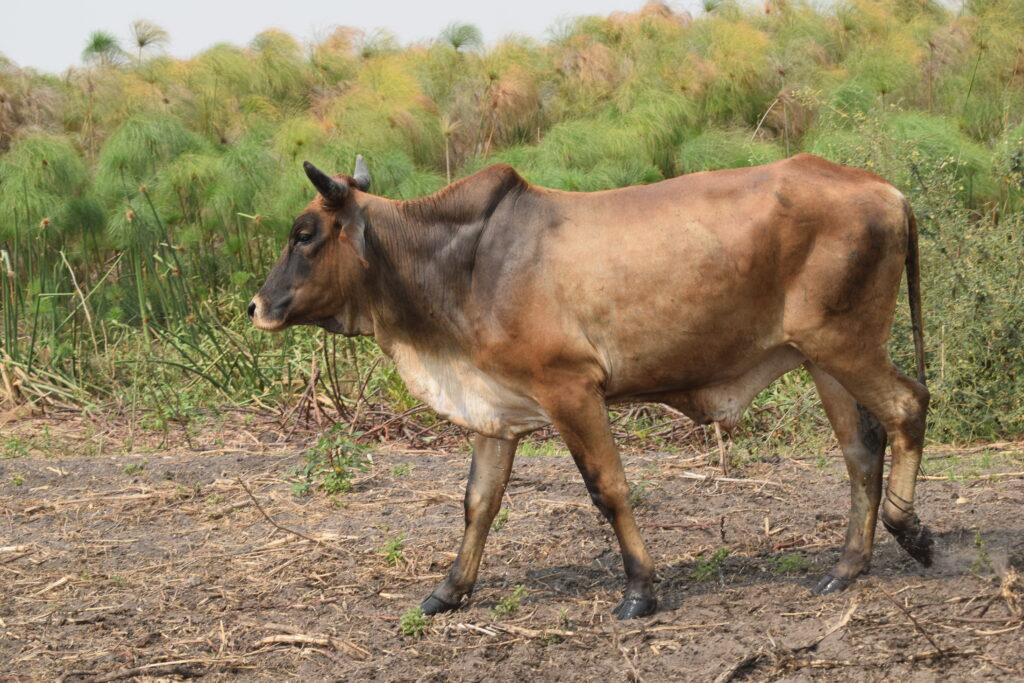
Most rural households in Zimbabwe and Malawi depend on smallholder agriculture and livestock husbandry to meet food and nutritional security goals and improve their livelihoods. However, due to the low level of public and private investment in the livestock sector, livestock-keeping households cannot fully utilise livestock as a source of income and to diversify their diet. This is further exacerbated by high youth unemployment and social norms that do not support women’s engagement in income-generating activities. For example, in many families, women are often excluded from making decisions, using assets and buying and selling livestock. Similarly, the ability of youth to own and benefit from livestock remains a challenge.
ILRI, in partnership with Global Roundtable for Sustainable Beef (GRSB), has created the Inclusive red meat value chain project to reduce this gap. Anchored in local input and output markets, private sector investments, and governmental support services, the project will create enabling environment that will enhance inclusive and competitive red meat value chains. This market pull will incentivise livestock producers to invest in better management to achieve higher productivity and production levels. In addition to providing farmers with assistance in livestock marketing and price negotiation, the project will educate them on the importance of a healthy diet.
The project’s goal is to promote a shift in the mindset of decision-makers towards more inclusive and market-oriented livestock production systems. To achieve this, the project will accomplish the following objectives:
- Develop sustainable, inclusive, and transformative red meat value chains in vulnerable smallholder farming communities of Malawi and Zimbabwe.
- Improve on-farm productivity by supporting women and youth farmers to improve rangelands management, animal health, and husbandry through training and using existing technology platforms.
- Support women and youth farmers through farmer-based organisations using improved knowledge sharing and exposure to best practice sustainable production techniques by supporting Rural Sustainable Beef Cluster Knowledge Circles linked to GRSB.
- Promote and facilitate the formation of local women and youth-led sustainable red meat production models in production areas based on learnings from models across Southern Africa.
- Develop models for increasing participation of women and youth in the red meat value chain through targeted inclusive financing.
- Support nutrition-sensitive interventions by disseminating information on nutrition among the women and youth in the project areas.
The project is delivered in 3 phases
Phase 1: Scoping, Design, and Inception
Phase 2: Implementation
Phase 3: Close-Out and we are currently at the inception phase.
